

Have you ever looked around your home and thought, this should feel better than it does?
Maybe everything is technically “fine.” The furniture works, the colors are nice, the room is put together. And yet something feels unsettled. Maybe you can’t fully relax there, or you find yourself avoiding certain rooms without really knowing why.
It’s a strange thing, because on paper nothing seems wrong. But that feeling is usually trying to tell you something.
I think so many of us have been conditioned to approach our homes through a visual lens first. We think about style, trends, what’s current, what looks polished, what we’ve saved on Pinterest. But we don’t often stop to ask the deeper question, which is, how does this space actually make me feel when I’m living in it?
That question is where everything starts.
Our homes are never neutral. They are affecting us constantly, often in ways we don’t consciously notice. The amount of natural light we get throughout the day, the colors that surround us, the textures we touch, the flow of a room, the noise, the clutter, even the energy of a space, all of it plays a role in how our nervous systems respond.
Some spaces make us feel calm and grounded almost immediately. Others can leave us feeling overstimulated, anxious, restless, or disconnected, even if they’re beautiful.
And that’s the part I find so fascinating. A home can be aesthetically beautiful and still not support you.That doesn’t mean it’s “bad.” It just means it may not be aligned with what your body, mind, and spirit need.
This is really the foundation of NeuroDesign, and it’s at the core of the work we do at GOGO Design Group.
NeuroDesign is simply about understanding how our environments affect us on a neurological and emotional level. It asks us to think beyond aesthetics and get curious about what actually creates a sense of ease, safety, inspiration, or restoration in a space.
For some people, that might be soft textures, warm wood tones, and layered lighting. For someone else, it could be openness, brighter light, crisp air, and cleaner lines. There’s no universal formula, because we all experience space differently.
That’s one of the reasons I’ve never believed in designing from a fixed style. I’m much more interested in understanding the person living there:
- What calms them.
- What energizes them.
- What feels like home to them.
- Sometimes the clues are already there.
- The colors you naturally wear.
- The places in nature you’re drawn to.
- The textures you instinctively reach for.
- The spaces where you feel your shoulders drop and your breath deepen.
Those things matter, because they tell a story. And often they reveal what’s missing in your home.
That’s exactly why I created The Soulful Space Audit, a free guided workbook to help you start asking these questions for yourself.
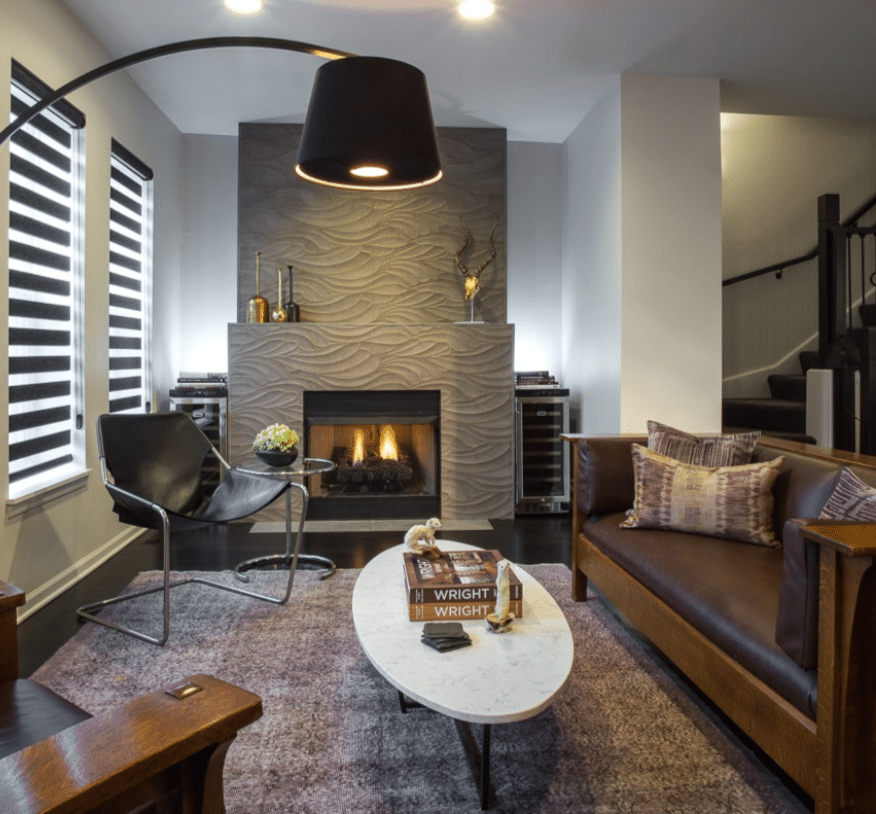
It’s not meant to give you all the answers, but it will help you begin noticing your space in a different way. It walks you through simple reflections around color, texture, sensory triggers, and even the natural environments you feel most connected to, so you can start understanding what your nervous system may be craving in your home.
Because awareness is powerful.
And often the first step toward creating a home that truly supports you is simply paying attention.
If this resonates with you, I’d love for you to download the workbook and spend some time with it.
And if it sparks something, whether that’s clarity, curiosity, or even more questions, I’d love to hear about it.
Not because you need to have a full plan, but because sometimes a conversation is the best place to begin.